How to Reduce Bloating Naturally in 7 Days
Last updated: June 2026
Bloating is not a normal state. It is a signal that something in your digestive system is out of balance, too much fermentation, too little fibre, too much processed food, or a gut microbiome that needs support. The good news is that the right ingredients, used consistently, can produce noticeable changes within a week.
What Actually Causes Bloating
Bloating has four main drivers. The first is excess gas from fermenting undigested food in the colon, usually from refined carbohydrates and low-fibre diets. The second is water retention driven by high sodium intake and oestrogen fluctuations. The third is constipation, where slow gut transit allows fermentation to build up. The fourth is gut dysbiosis, an imbalance of bacteria that produces excessive gas as a byproduct.
Most commercial anti-bloating products target symptoms (gas relief) rather than causes (gut function). The clinical evidence points toward soluble fibre, prebiotic support, and anti-inflammatory compounds as the most effective long-term approach.
The 7-Day Plan That Actually Works
Days 1–2: Clear the backlog
Psyllium Husk is the most clinically validated soluble fibre for gut motility. A 2018 meta-analysis in the American Journal of Clinical Nutrition found that psyllium supplementation significantly reduced constipation frequency and improved stool consistency across 21 trials. It works by forming a gel in the colon that softens stool and stimulates peristalsis, the wave-like muscle contractions that move waste through the gut. Most people notice movement within 24–48 hours of starting.
Days 3–4: Reduce fermentation
Green Tea Extract contains EGCG (epigallocatechin gallate), a polyphenol shown in a 2020 study in Nutrients to reduce intestinal inflammation and modulate gut microbiota composition. Reduced gut inflammation directly reduces bloating caused by intestinal wall irritation.
Days 5–7: Reduce water retention
Pomegranate Extract contains punicalagins and ellagic acid, potent antioxidants with demonstrated anti-inflammatory effects. A 2014 study in Evidence-Based Complementary and Alternative Medicine found that pomegranate extract reduced inflammatory markers associated with gut permeability, the "leaky gut" mechanism that causes chronic bloating in many people.
What to Avoid During the 7 Days
- Carbonated drinks, introduce gas directly
- Beans and lentils without soaking, high FODMAP fermentation
- Chewing gum, swallowed air
- Eating too fast, same reason
- High-sodium processed foods, drive water retention
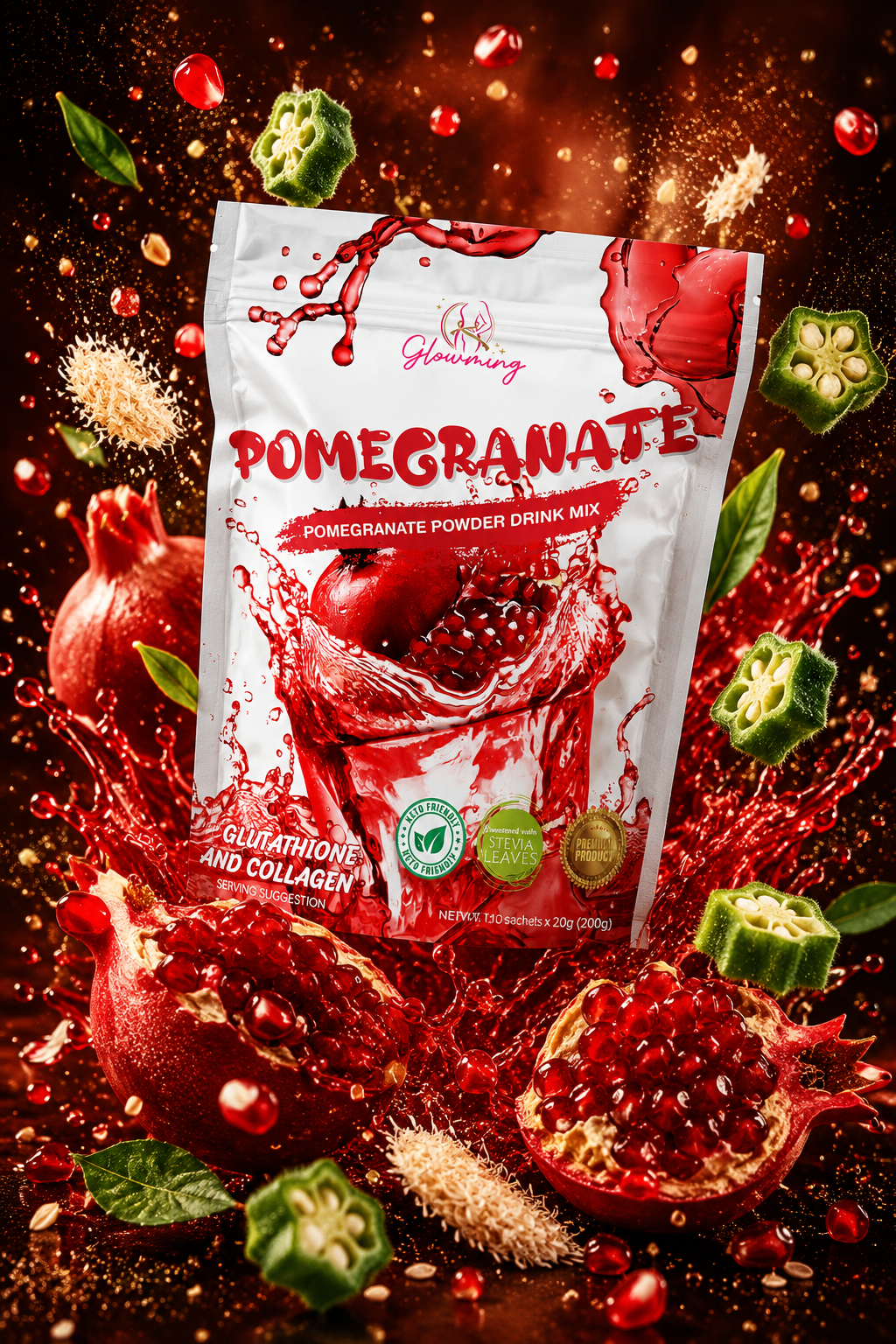
Psyllium Husk and Pomegranate Extract in Glowming Pomegranate
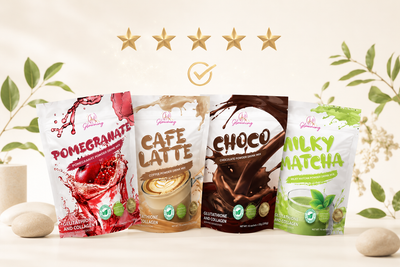
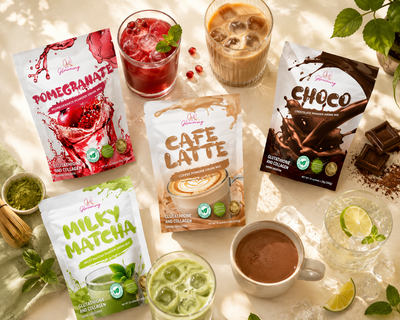
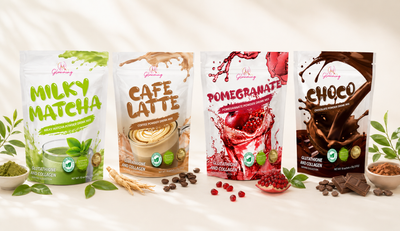
Glowming Pomegranate combines Psyllium Husk, Pomegranate Extract, and Green Tea Extract in a single daily sachet, the three ingredients most directly supported by clinical evidence for bloating reduction. Taken once daily with water, it addresses all three mechanisms: gut motility, fermentation reduction, and gut inflammation.
“I have been bloated every single day for years. My stomach would be flat in the morning and look six months pregnant by evening. After one week of the Pomegranate I was genuinely shocked. The bloating is just gone. I am on my third tub now.”
Marelize S., verified South African customer, Glowming Pomegranate
Frequently Asked Questions
How quickly does psyllium husk reduce bloating?
Most people notice improved gut motility within 24–48 hours of starting psyllium husk supplementation. Reduction in bloating typically follows within 3–5 days as gut transit normalises. The full benefit of reduced fermentation and gut inflammation takes 7–14 days of consistent use.
Is bloating after eating normal?
Mild fullness after eating is normal. Visible distension, discomfort, or persistent bloating throughout the day is not normal and indicates a digestive imbalance worth addressing. Persistent severe bloating warrants a consultation with a healthcare professional to rule out underlying conditions.
Does drinking more water help bloating?
Yes, particularly when combined with soluble fibre. Water activates the gel-forming properties of psyllium husk, which is essential for its gut motility effects. Aim for 8 glasses daily. Dehydration slows gut transit and worsens constipation-related bloating.
Can stress cause bloating?
Yes. The gut-brain axis means psychological stress directly affects gut motility. Stress activates the sympathetic nervous system, which slows digestion and increases gut permeability. This is why bloating often worsens during high-stress periods. Managing cortisol through sleep, movement, and adaptogenic herbs supports gut health indirectly.
This product is not intended to diagnose, treat, cure, or prevent any disease. Consult a healthcare professional before use. Individual results may vary.