What Is Psyllium Husk and Why Is It the Best Gut Health Ingredient?
Last updated: June 2026
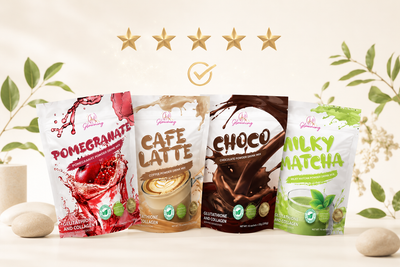
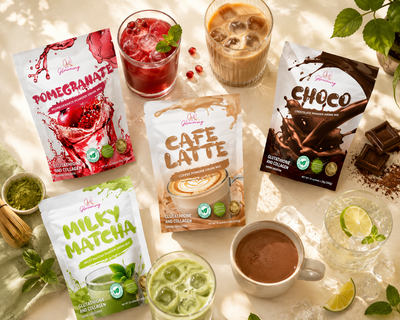
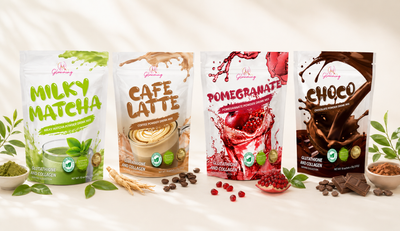
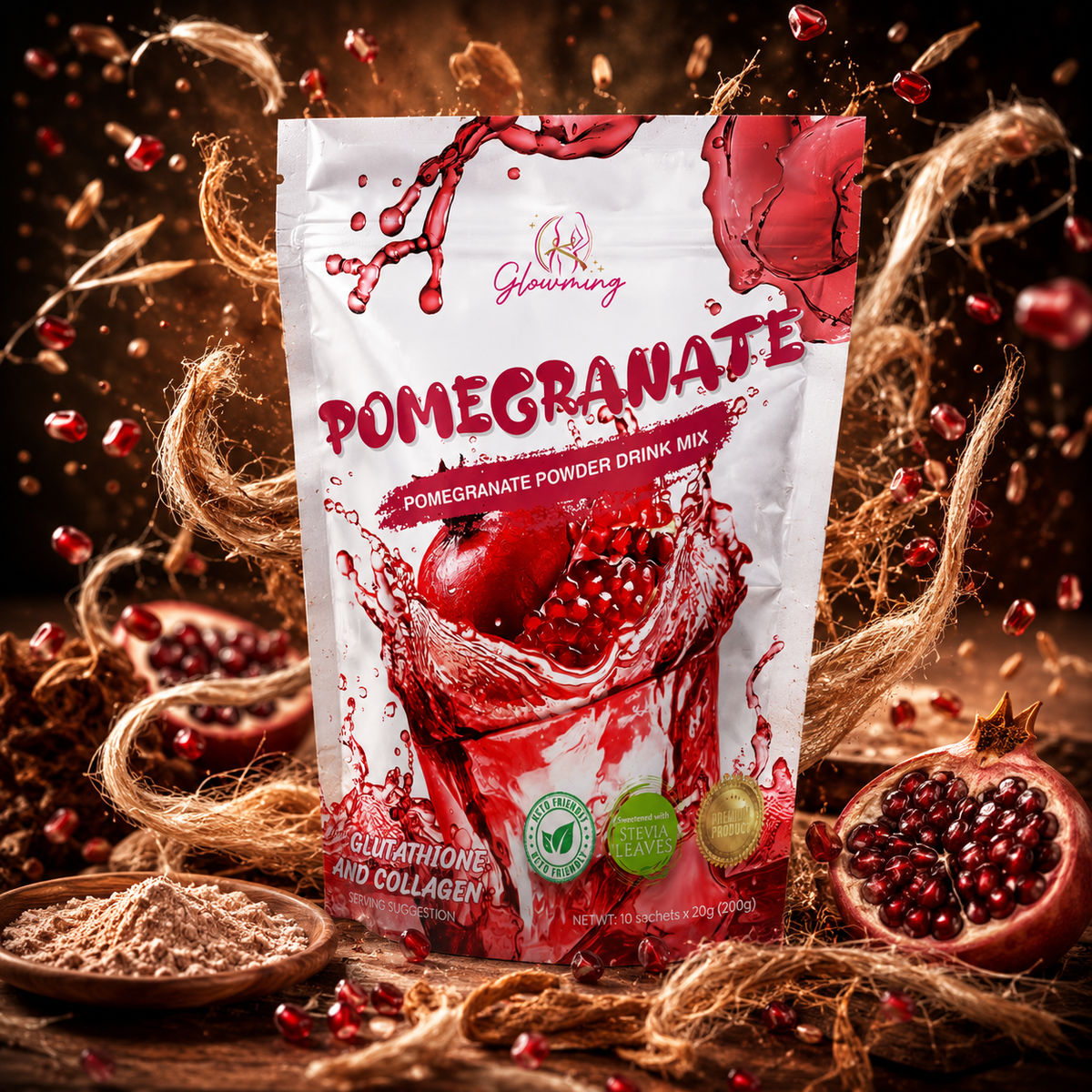
Psyllium Husk Seed Powder is the most extensively researched dietary fibre supplement available. It appears in Glowming Pomegranate, Café Latte, and Choco, three of the four Glowming flavours, because its gut health benefits are among the most consistently demonstrated in the clinical literature.
“My digestion has completely changed. I was bloated every single day for years. Within a week of the Pomegranate I noticed a real difference. The bloating is gone.”
Sharon T., verified South African customer, Glowming Pomegranate
What Is Psyllium Husk?
Psyllium Husk is the outer seed coat of Plantago ovata, a plant cultivated primarily in India, which produces approximately 85% of the world's psyllium supply. The husk is the soluble fibre-rich coating surrounding the seed. When combined with water, Psyllium Husk absorbs liquid and forms a viscous gel, a physical property responsible for most of its health benefits.
Psyllium is classified as a soluble fibre, though it contains both soluble and insoluble fibre fractions. It is the active ingredient in Metamucil and is used clinically as a first-line treatment for constipation, irritable bowel syndrome (IBS), and hypercholesterolaemia in multiple international clinical guidelines.
What Does Psyllium Husk Actually Do?
Gut Regularity
Psyllium Husk's gel-forming property adds bulk and moisture to stool, improving transit time and stool consistency. A 2018 meta-analysis in the American Journal of Clinical Nutrition analysed 21 randomised controlled trials and found that Psyllium supplementation significantly improved stool frequency and consistency compared to placebo, with effects observed within 3–5 days of consistent use.
Microbiome Support
The soluble fibre fraction of Psyllium is fermented by beneficial gut bacteria (Bifidobacterium and Lactobacillus species) to produce short-chain fatty acids, particularly butyrate, propionate, and acetate. These short-chain fatty acids are the primary energy source for colonocytes (gut lining cells) and play a key role in maintaining the integrity of the intestinal barrier. A healthy gut lining reduces systemic inflammation and supports immune function.
Blood Sugar Regulation
Psyllium's viscous gel slows the rate of gastric emptying and glucose absorption, blunting post-meal blood sugar spikes. A 2000 study in the American Journal of Clinical Nutrition found that Psyllium supplementation before meals significantly reduced post-prandial glucose levels in people with type 2 diabetes. This effect makes Psyllium particularly relevant for South Africans managing blood sugar or following a low-glycaemic lifestyle.
Cholesterol Reduction
Psyllium binds bile acids in the intestine, preventing their reabsorption. The liver compensates by synthesising new bile acids from cholesterol, effectively drawing cholesterol out of circulation. The FDA approved a health claim for Psyllium and cardiovascular disease risk in 1998, and subsequent meta-analyses have consistently confirmed LDL cholesterol reductions of 5–10% with consistent Psyllium supplementation.
The Microplastics Angle
Emerging research suggests that dietary fibre, particularly gel-forming soluble fibres like Psyllium, supports the excretion of microplastics from the gastrointestinal tract by trapping particles in the gel matrix and facilitating their removal via stool. While research in this specific area is still developing (2024–2025 studies from University of Vienna and ETH Zurich), the theoretical mechanism is well-supported by Psyllium's established fibre binding properties.
Psyllium Husk in Glowming Products
Psyllium Husk Seed Powder is verified in three Glowming flavours:
- Glowming Pomegranate, Psyllium + Chia Seeds for comprehensive fibre coverage (both soluble and insoluble), plus African Mango for digestive hormone regulation
- Glowming Café Latte, Psyllium + Okra Extract + Aloe Vera for morning gut activation and blood sugar support
- Glowming Choco, Psyllium + Ashwagandha for evening gut support and stress-related digestive disruption
Milky Matcha (Glowming Milky Matcha) uses Okra Extract (Okralin) and Chitosan as its fibre and gut-support ingredients instead.
Frequently Asked Questions
How much water should I drink with Psyllium Husk?
Psyllium Husk must be taken with adequate fluid, a minimum of 200–250ml per serve is essential. Without sufficient water, Psyllium can swell in the oesophagus or gut before reaching its intended destination. Glowming sachets are designed to be mixed with 200–250ml of water, providing the correct hydration for Psyllium to work effectively.
Can Psyllium Husk help with IBS?
Psyllium is listed in the British Society of Gastroenterology guidelines as a first-line dietary intervention for IBS with constipation (IBS-C) and mixed-type IBS (IBS-M). It is generally less suitable for IBS with predominantly diarrhoea (IBS-D), where the additional bulk may worsen symptoms. Consult a gastroenterologist or registered dietitian for IBS management guidance.
Does Psyllium Husk help with bloating?
For most people, yes, by improving gut regularity and reducing stool transit time, Psyllium reduces the fermentation that causes bloating. However, some individuals experience temporary increased gas production during the first 1–2 weeks of use as the gut microbiome adjusts. Starting with a lower dose and increasing gradually reduces this effect.
Is Psyllium Husk safe for daily use?
Psyllium Husk is one of the safest and most widely used dietary supplements globally. It is suitable for long-term daily use in healthy adults. It may interact with certain medications by slowing their absorption, take medications at least 1 hour before or 2–4 hours after Psyllium supplementation. Consult a healthcare professional if you are on prescription medication.
This product is not intended to diagnose, treat, cure, or prevent any disease. Consult a healthcare professional before use. Individual results may vary.